My review
The idea I keep coming back to is room for error. In a spreadsheet, money left available can look idle. In daily life, it can buy the time to negotiate a better agreement or let a bad purchase pass. Housel makes a good case for valuing that freedom even when it is hard to fit into a column.
His distinction between what is visible and what you have kept in reserve also makes me think of building my gym. A new ergometer shows up in a photograph straight away. The value of waiting until you know where it belongs in your week shows up much later, in the hours you actually use it.
The short stories make the ideas memorable. They leave a difficult question open. How much room does a particular person actually have to wait? Income and obligations change the answer. Before a big decision I would come back to this book with one question in mind. What freedom do I want to keep afterwards?
About the book
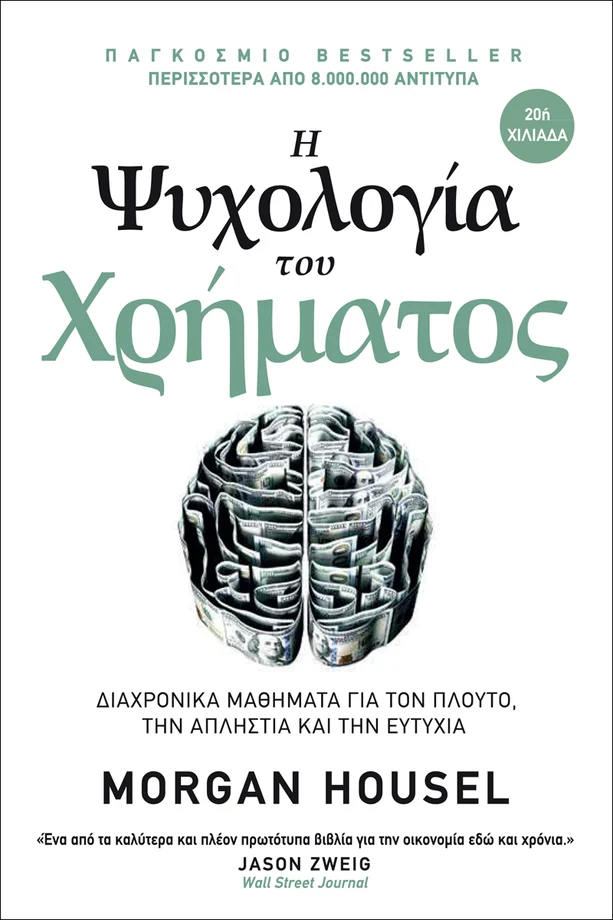
Across nineteen short stories, Morgan Housel examines behaviour around money. The focus moves from numbers to personal experience, motives and the way people see the world. This is a book about understanding behaviour, rather than a personalised investment plan.